
The day I fell in love with Britain
PART TWO – Britain doesn’t have the biggest, highest, hottest or coldest
It’s true that Britain doesn’t have the biggest, highest, hottest or coldest of many things. Although with more than 12000km of coastline and over 1500 beaches, it has a lot to be proud of. It would be easy to travel around Britain extoling its virtues. The diverse natural beauty, and the abundance of wildlife, as a land untouched by human-kind. In reality it’s impossible. You can’t miss them, the people. Like every other place in the world, people have had a huge impact on the landscape and the history. Each field in the patchwork of countryside tells a story of past cultivation.
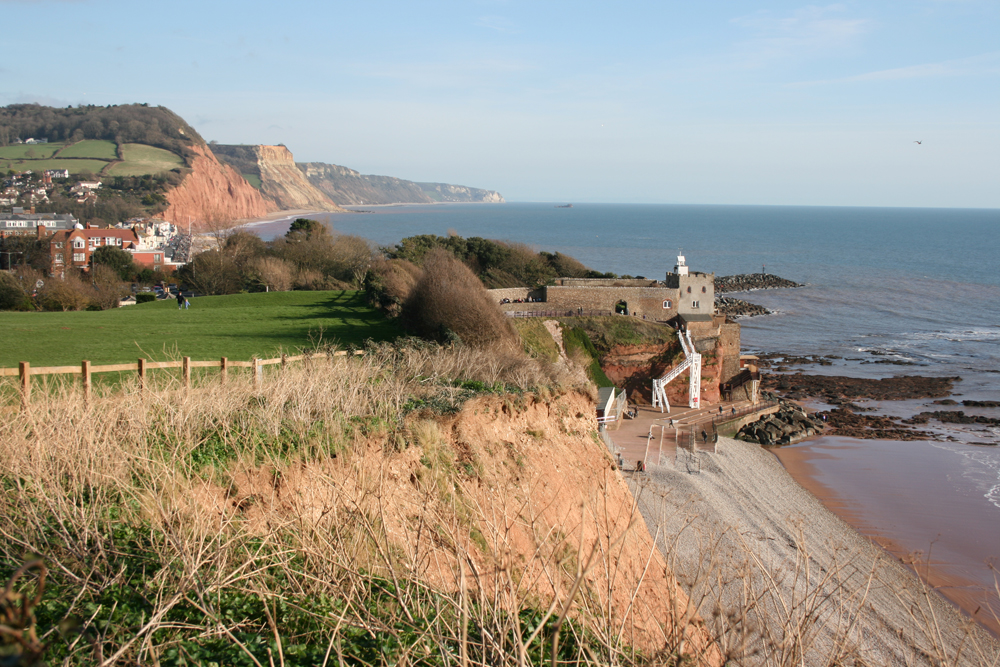
Britain’s climate
Britain has an extremely mild, and diverse, climate. What bothers us so much is its unpredictability. On a latitude with Moscow, we don’t have severe winters. Some in Scotland might disagree but compared with the average Siberian winter, there isn’t much of an argument. Tropical storms that bring all sorts of problems rarely happen. It rains. Alot. More in the west than the east and flooding is now a huge problem compared to 20 years ago. You can’t guarantee Summer sunshine, which is a reason to fly away for the two-week ‘must get away from it all and lie on a beach’ vacation. But if you are blessed with wonderful Summer days of blue skies and endless sunshine, there is no finer place than the British Isles.
It seems as if nature never touched our cities
Surprisingly, only a small percentage of Britain’s land is urbanised. And urbanisation is as recent as the last 150 years when people started to live in close proximity to their neighbours. Sometimes today it seems as if nature never touched our cities. So, if we don’t venture from our concrete world, except to visit the airport, how will we know what our country has to offer? It’s entirely possible that more Brits have visited Spain than Scotland.
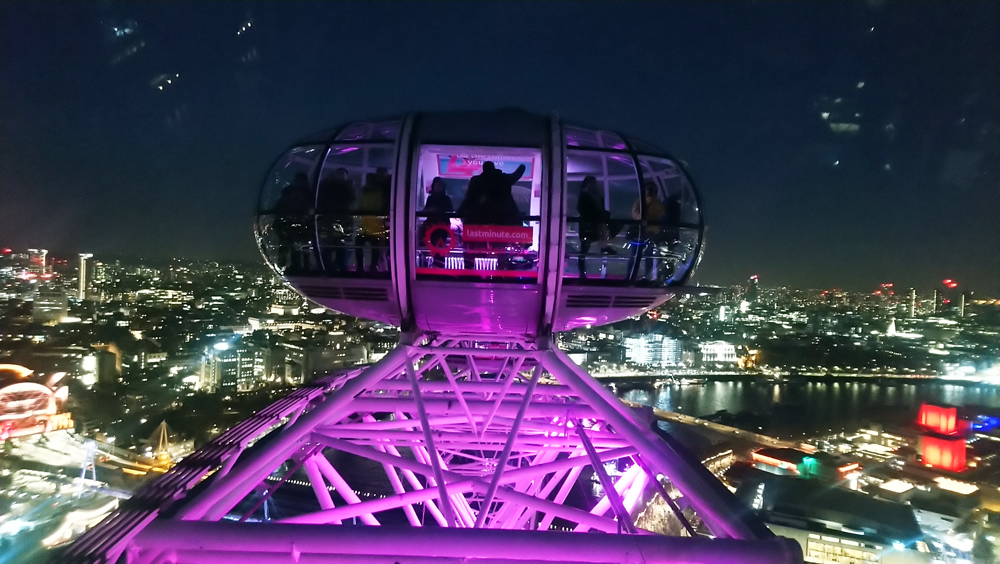
As a native it’s hard to stand back and see how others see us. It’s far easier to visit as a foreigner commenting on every unfamiliar sight. To sum up an entire nation from a railway carriage window. We’ve all done that.
Britain probably has a reputation as a bit of an aggressive race. All that empire-building in the past, charging around the world nicking other people’s countries in the name of ‘civilisation’. But was that us or just a monarchy and powerful statesmen who had to prove that we were more than just a little island in the North Sea?
Who are the British?
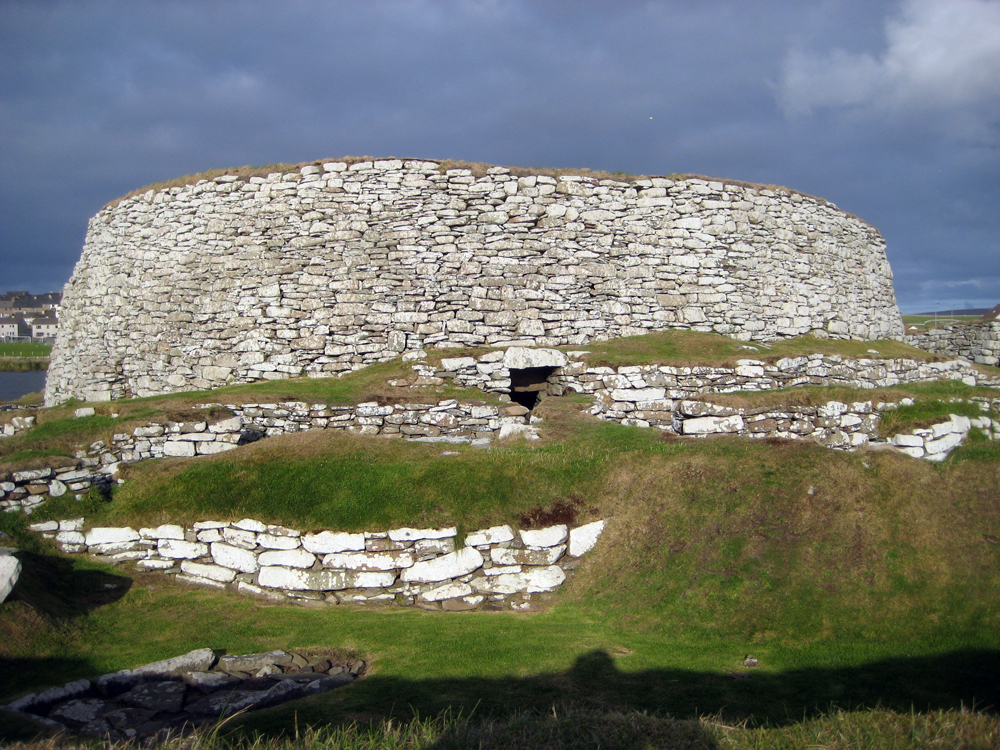
Many people today like to think that we stand apart from Europeans. That we are some sort of distinct race, which, of course, is nonsense. From the southern tip of Cornwall to the bit right at the top, we are descended from peoples all over Europe and now the world. From the earliest who came from the Mediterranean to the romanticised Celts, with their deepest roots in Hungary; the northern Europeans, the Saxons and the Jutes, the Normans from France, and we shouldn’t forget the Vikings, or those from Asia and Africa. They all played their part; affecting the language we spoke, and the way we lived.
Our cities are made up of people from every kind of cultural background. There are still the ignorant few who harp back to a ‘pure’ race. If it ever existed there is certainly no-one today who belongs to it.
Live there and things will probably be quite different
In my defence, before I sound too much like a flag-flying patriot, I know there are problems in Britain. These can’t just be confined to our shores. Travel has taught me that. Every country has its own problems, unique to its environment and people; the only way we can ever learn about them is to live there. Many people return from a two-week holiday in the sunshine extolling the virtues of the place: the evening sunsets, the olympic-sized hotel swimming pool, the oh-so friendly locals, and believe they know the country. Live there and things will probably be quite different. You can’t truly appreciate a place unless you stay for a long while.
With 70 million people living in a modern, westernised ‘must-have’ society, with low boredom-thresholds, high expectations, a certain amount of greed and a whole lot of materialism on offer, there will be all sorts of problems. It’s the choice of the media machine as to what news we hear and what we don’t and today they have a far greater influence on what we think and feel than any government.
60 million people cause problems
From the environmental aspect, 60 million people cause problems: pollution, plastic waste and gridlocked roads are just a few. We have a certain amount of poverty, although compare this to ‘non-Westernised’ countries… well, you can’t. We have crime, who doesn’t? And, yes, it’s risen with a growing population being squeezed into concrete jungles, but then with today’s media coverage, we know about a theft in the Outer Hebrides or Land’s End minutes after it has happened. In the past, it wasn’t that crime didn’t happen, we just never heard about it.
Is Britain really so bad?
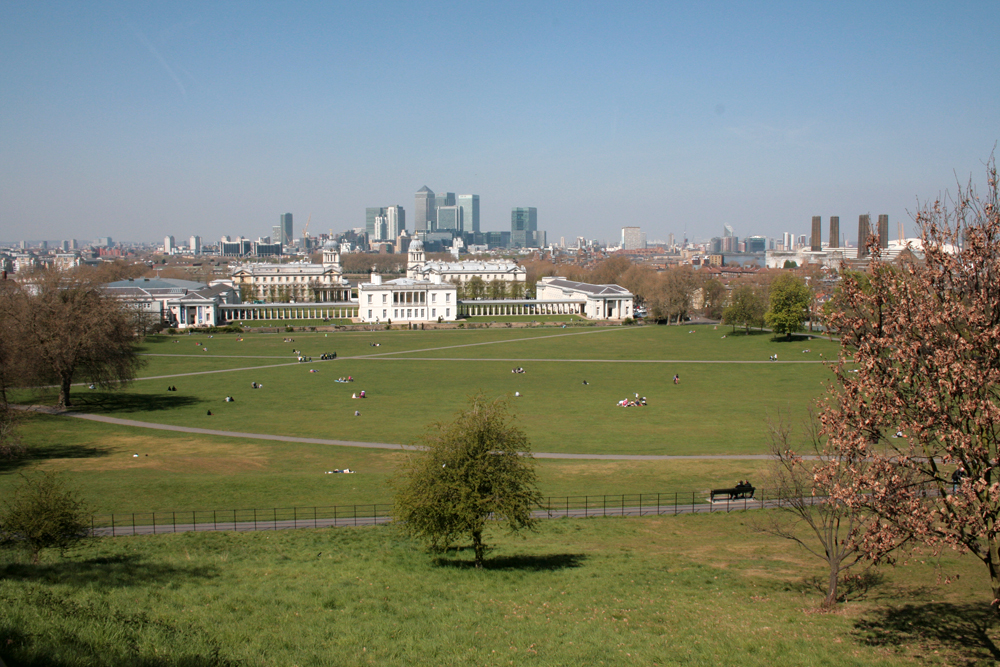
So, how did we get here? Is Britain really so bad? Do we have too many people or has the modern way of life taken us over, absorbed our appreciation of the simple wonders of this incredible land. Do we believe the media and its endless succession of doom and gloom stories hunted down by eager journalists or do we come together to teach our children, future generations, what should be respected and revered so that they will grow up to appreciate what they have? I needed to know, I needed to find out if my praise of Britain was in vain. If I too should close my curtains on the space outside my little home, huddle around the box in the corner for my beliefs and opinions and, rather than forming my own, bow down to the all-powerful God of media.
Pages: 1 2


You May Also Like

Visit the amazing Isles of Scilly

Cornwall
